
When is it Too Hot to Walk Your Dog? Expert Tips to Keep Your Pet Safe
- By Piers
- 13 July 2025
- Advice, Health & Safety
At what temperature is it too hot to walk your dog? Generally, when it’s above 20°C, you should start taking extra precautions. In this article, discover how to recognise heat risks for dogs, safe walking temperatures, and tips to keep your dog cool, especially when is it too hot to walk your dog.
Sometimes the best walk for your dog is no walk at all when temperatures reach unsafe levels. A dog will not die from a few days without a walk during hot spells, but they could die from heat stroke.
Key Takeaways
- Dogs are highly susceptible to heat-related illnesses, and individual factors like breed, age, and health status significantly influence their heat tolerance.
- Ideal walking temperatures for dogs (depending on breed) range from 10 to 20°C; outside this range, it’s best not to walk your dog.
- Preventive measures, such as checking pavement temperatures, ensuring hydration, and providing shade, are essential for keeping dogs safe during hot weather.
Understanding Heat Risks for Dogs

Dogs are particularly vulnerable to heat-related illnesses, and knowing the factors that influence their heat tolerance is crucial. Factors such as:
- Breed.
- Age.
- Health conditions play a significant role in how well a dog can cope with warm temperatures.
- Older dogs and very young puppies are more sensitive to heat related illness.
Exercise is a major contributor to heat related illness in dogs. A significant percentage of heatstroke cases are linked directly to physical exertion. Heatstroke can cause serious damage to a dog’s organs and can be fatal if not treated promptly. Symptoms like vomiting, diarrhoea, and an elevated heart rate can indicate heat exhaustion, which can quickly escalate into heatstroke if not addressed.
Key indicators of heat stroke in dogs include excessive panting, noticeable lethargy, heavy panting, and drowsiness. Certain breeds, such as bulldogs and other flat-faced dogs, are more susceptible to heat-related illnesses due to their anatomy.
Overheating in dogs is not limited to warm weather; they can suffer from heat-related issues even in cooler temperatures. Being vigilant and taking preventive measures can make all the difference in keeping your dog safe.
Ideal Temperatures for Dog Walks
Dogs are generally comfortable in temperatures ranging from 15 to 25°C. Here are some key points regarding temperature and walking your dog:
- Temperatures below 20°C are considered ideal for walking your dog.
- During this range, dogs can enjoy their walks with minimal risk of overheating.
- As temperatures rise above this range, it’s crucial to monitor your dog’s response to the heat.
- Each dog may have different heat tolerances, so individual monitoring is important.
At around 20°C, stick to low-intensity exercise and avoid chasing or running. Between 20-24°C, take specific precautions, especially for overweight or flat-faced dogs, as a general rule.
If temperatures exceed 23°C, wait until it cools down to walk your dog and prevent heat-related issues. Walking in hot weather can be uncomfortable and dangerous for dogs, so always prioritise their safety.
Breed-Specific Considerations
Different breeds have varying heat tolerances, with brachycephalic breeds like French Bulldogs, Pugs, and Boxers being particularly susceptible to heatstroke. These dogs require extra precautions to stay safe.
Limit outdoor activities for these breeds during warmer days and ensure they have plenty of water and shaded areas. Monitoring their behavior closely and avoiding strenuous activities can help keep them comfortable. Consider shorter walks and more frequent breaks for these breeds to prevent overheating.
Age and Health Factors
Age and health conditions significantly affect a dog’s ability to regulate their body temperature. Dogs are unable to sweat effectively, which makes them more vulnerable to overheating compared to humans. Factors that play a role in how quickly a dog can cool down in hot weather include:
- Air temperature
- Radiant heat
- Humidity
- Windspeed
Older dogs, very young puppies, and those with health conditions need extra care during warm days. Modify the intensity and duration of walks based on their health status to keep them safe and comfortable.
How to Test if It's Too Hot

Before a walk, check if the pavement is too hot for your dog’s paws. One effective method is to place the back of your hand on the pavement; if you can’t hold it there for five seconds, it’s too hot to walk for your dog. This simple test can prevent painful burns and ensure a safer walk for your furry friend.
Tarmac and concrete can reach dangerously high temperatures, often exceeding the surrounding air temperature by significant margins. For example, tarmac can reach temperatures up to 52°C when the air temperature is just 25°C. If the pavement feels too hot for your hand, it is likely too hot for your dog’s paws as well. Always check the pavement temperature to avoid exposing your dog to hot surfaces.
Keeping your dog’s feet pads safe during walks is crucial, especially on hotter days. Adjusting the walking route to include shaded areas or grassy surfaces can help protect their paws from burns.
Recognising Signs of Overheating
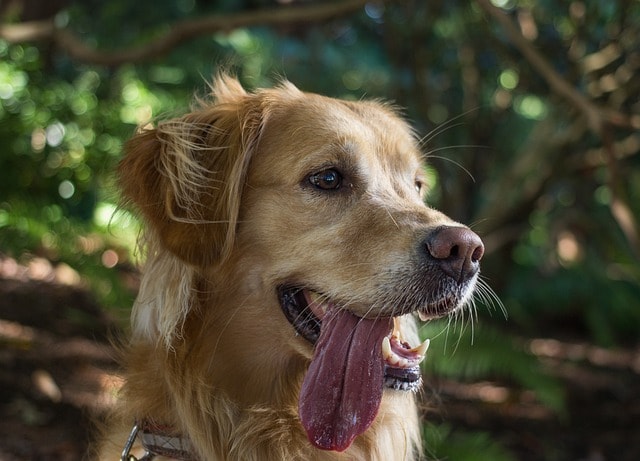
Recognising the early signs of overheating can help prevent serious health issues for your dog. Common indicators that your dog may be overheating include:
- A noticeably warm coat
- Excessive panting
- Changes in breathing effort
- Tongue hanging out to the side
- Drooling
- Bright red or unusually pale gums, which can indicate heat stress.
Being aware of these signs and acting quickly can make a significant difference in your dog’s health and safety.
Immediate Actions for an Overheated Dog
If you suspect your dog is overheating, follow these steps:
- Move them to a shaded and cool area to start the cooling process.
- Immerse them in cold water, for example in a bath or paddling pool, making sure you keep their head above water and ensure they don’t get water in their nose.
- If you can’t immerse them then cold running water is the next best thing.
- Avoid using wet towels over the dog, as they can trap heat.
To help stabilise a dog’s breathing and body temperature:
- Continue to immerse in cool water until the dog’s breathing stabilises.
- Be careful not to let the dog shiver, as this can increase their body temperature.
- If the dog becomes unconscious or stops panting, aggressive cooling methods are critical.
After cooling your dog down, take them to the vet immediately for further evaluation and treatment. Heatstroke is a serious condition, and professional medical attention is necessary to ensure your dog’s recovery.
Tips for Keeping Your Dog Cool
Keeping your dog cool during hot weather walks requires a combination of strategies:
- Choose shaded areas for your walks.
- Always bring water to keep your dog hydrated.
- Walk your dog early in the morning or late in the evening to avoid the hottest parts of the day.
Regular grooming can help keep some breeds cool by reducing their coat’s insulating effect. Cooling mats and frozen toys provide relief from heat during or after walks, helping dogs stay comfortable. Additionally, air conditioning can enhance their comfort during hot days.
Utilise a combination of shaded routes, hydration, and cooled cooling products for a safe walking experience in hot weather, especially for those with exposed parts.
Best Times for Walks
Early morning walks help avoid high temperatures and ensure a safer outing during early mornings. Warmer weather evening walks and late evenings can also be a good option, but it’s important to check humidity levels and air movement to ensure safety.
Essential Gear for Hot Weather Walks
Appropriate gear keeps your dog comfortable and safe during hot weather walks. A cooling vest reflects sunlight and incorporates materials that absorb heat, helping to keep your dog cool.
Portable water bowls keep dogs hydrated during hot weather walks.
The Impact of Surfaces on Dog's Paws
Hot surfaces can severely burn a dog’s paws, causing pain and discomfort. Signs that the pavement is too hot may include your dog hopping from paw to paw or trying to find a shaded area.
Walking dogs on grass can prevent paw burns. Check the pavement temperature and choose safer surfaces to protect your dog’s paws. Remember – you have shoes on, they don’t!
Safe Alternatives to Outdoor Walks
When outdoor activities are limited due to hot weather, engaging your dog in indoor activities can provide mental stimulation and keep them occupied. Toys or long lasting chews engage dogs mentally to prevent boredom. Hide-and-seek enhances recall skills and provides both physical and mental exercise.
Indoor fetch can be played in long hallways using soft toys to reduce the risk of damaging household items.
Providing ice cubes in your dog’s water can help keep them cool.
Preventative Measures for Hot Environments
Preventive measures to keep your dog safe in hot environments include:
- Never leave pets in vehicles, as they can overheat quickly even in moderately warm weather. Dogs die in hot cars.
- When traveling with a dog in hot weather, travel at cooler times such as early morning or evening.
- Identify suitable stops to rest during travel.
To care for your pet in warm conditions while maintaining their social needs:
- Ensure constant access to shaded areas indoors and outdoors to help keep your dog cool.
- Engage in socialisation opportunities, like doggy playdates or visits to pet stores, to fulfil a dog’s social needs when outdoor walks are not feasible.
- Remember that sometimes the best walk for your dog is no walk at all when temperatures reach unsafe levels.
Summary
Ensuring the safety and well-being of your dog during hot weather requires understanding the risks, recognising the signs of overheating, and taking appropriate preventive measures. Ideal walking temperatures, breed-specific considerations, and age and health factors are all crucial in determining when and how to walk your dog safely. Testing pavement temperatures, identifying signs of overheating, and knowing immediate actions for an overheated dog can prevent serious health issues or death of your beloved pet.
By following tips such as choosing the best times for walks, using essential gear, and exploring safe alternatives to outdoor walks, you can keep your dog cool and happy. Remember, sometimes the best decision is to skip the walk altogether if the temperatures are too high. Stay informed, stay vigilant, and prioritise your furry friend’s comfort and safety to enjoy the warm weather together.
Frequently Asked Questions
What is the ideal temperature for walking my dog?
The ideal temperature for walking your dog is between 10 and 20°C. Keeping walks in the lower temperature range helps prevent overheating.
How can I tell if the pavement is too hot for my dog's paws?
If you can’t comfortably hold the back of your hand on the pavement for five to seven seconds, it is too hot for your dog’s paws. Always prioritise their safety and comfort when walking on hot surfaces.
What are the signs of overheating in dogs?
Be vigilant for signs of overheating in dogs such as excessive panting, hanging their tongue out to the side, warm body temperature, lethargy, disorientation, and changes in gum colour. Immediate action is crucial if you notice these symptoms to prevent serious health complications.
What should I do if my dog shows signs of heatstroke?
If your dog shows signs of heatstroke, promptly move them to a cool shaded area and immerse them in cold water, avoiding wet towels, then take them to the vet immediately for proper evaluation and treatment.
What are some safe alternatives to outdoor walks during hot weather?
Engaging in indoor activities like interactive puzzle toys, hide-and-seek, and indoor fetch can be safe alternatives to outdoor walks during hot weather. These options not only keep your dog active but also help them stay cool.